No. 16Thursday 29 OctoberGame dev, software and AI
Games got fun to vibe code
A veteran developer says AI-made browser games crossed from game-shaped to fun this month, while Valve tells studios it will not police AI clones. Plus GitHub's week of agent features, and a hidden line item in agent bills.
The short version
Game devSimon Willison built four browser games with Claude Opus 5.5 in four hours or less of his own time each, and says asking it to make it a LOT more fun now works.
Game devValve told developers it will not act as a gatekeeper on AI tools and sees game cloning as a legal matter; Epic says Claude and Codex fixed cooking bugs it chased for about ten years.
Software and AIGitHub shipped Agentic Workflows to everyone, a model router called Copilot Fusion, and memory that carries across its agents; its Octoverse report says agents now open over 40% of pull requests.
Software and AIOne team measured that Claude Code's background status summaries took 16.4% of its estimated spend, more than the main conversation.
Four browser games, no code read, and they are fun
Simon Willison, a well-known developer who writes about AI tools, built four 3D browser games this month without reading their code. He says the newest model finally makes games that are fun to play, not just games that look right.
ContextVibe coding means building software by describing it to an AI model and judging the result by using it, without reading the code the model writes.
Willison compares October 2026 for games to November 2025 for coding agents: the month the tools went from interesting to dependable. He credits Claude Opus 5.5 with better 3D modeling, music and, above all, game design. Earlier models produced things shaped like games that were not fun to play.
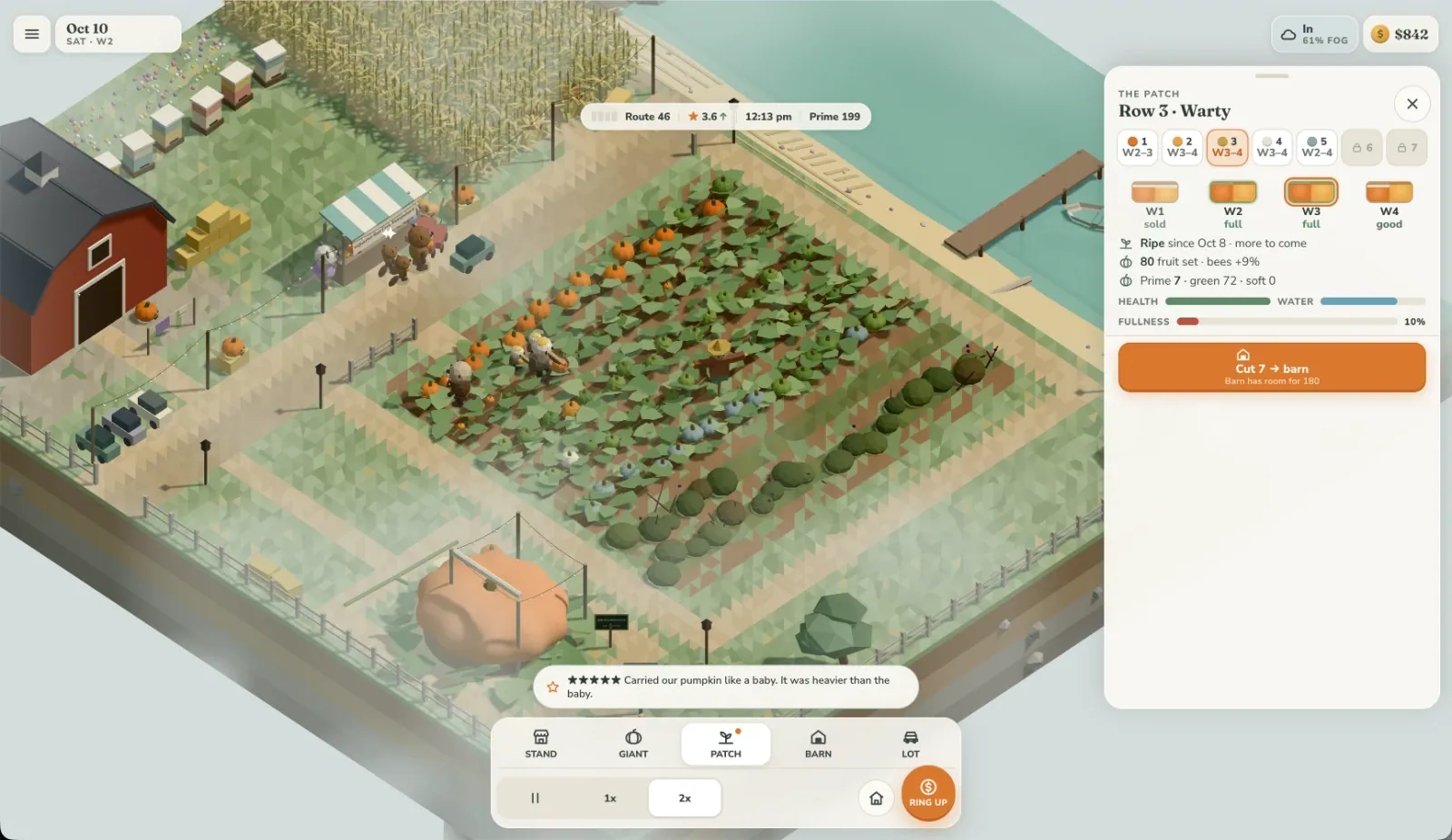
The four games are all HTML and JavaScript, three of them in three.js. Tree Appreciator, a spot-the-difference game with generated trees, came from a single prompt in a chat window. Emberwick grew over 11 versions into a top-down fantasy RPG with a story of about 15 minutes. Battle Drones is a real-time strategy game, and Pumpkin Farmer, pictured, is a cozy farming sim built from a spec file over nearly two days of unattended agent time.
None took more than four hours of his own time. His most useful prompt was "make it a LOT more fun". He gave the same starting prompts to GPT-6 Pro, which made a game he says looks great but plays worse; he expects OpenAI to catch up by the end of the year.
4 hrsmost of his own time spent on any one of the four games
Technical details
Tree Appreciator and Emberwick were built in the regular Claude chat interface. Pumpkin Farmer used Opus 5.5's Ultracode mode in Claude Code, which he says burned millions of tokens. He told it to "surprise and delight the user frequently", which produced many small easter eggs, though he is not yet convinced by its mechanics.
Later versions of Emberwick needed long playtesting sessions to fix bugs such as story events that blocked each other. Battle Drones ran first as a 2D game built with Claude Fable 5 in July; Opus 5.5 rebuilt it after the fun prompt and a request to port it to three.js.
His suggested path: start with a prompt such as "Build a mobile-friendly three.js game where..." in a chat app, then move to a coding agent once the prototype is worth keeping. He says he will not enter these games in traditional game jams, and that many players will reject AI-made art, music and writing.
Why it mattersIf a fun 3D prototype now costs an afternoon, testing a game idea is cheap enough to try several a week. It also means anyone can copy a mechanic quickly, which the next stories show studios already feel.
For youPrototype the action RPG's next combat or traversal idea as a throwaway three.js build in an afternoon before committing UE time to it, and use the same loop for browser game concepts.
three.js
A free JavaScript library for drawing 3D scenes in a web page.
spec file
A written description of what to build, which the agent works from instead of a chat conversation.
game jam
A short contest where people make a game from scratch in a few days.
Valve's answer to clones, engines on new glasses, and AI inside Unreal itself.
Game dev News
Valve will not police AI clones
Asked what Steam will do about games cloned with AI tools, two Valve staff said the store will not ban tools and that copying is a matter for the law.
We don't want to be gatekeepers telling developers which tools they should or shouldn't use.
Valve, Tom Giardino and Marc Wilkinson, at the Busan Indie Connect Festival
A developer cited an email threatening to clone their game and release it first. Valve's advice was to build a community and make games harder to copy; it will commit only its existing resources. The account comes from a Korean report, translated.
Why it mattersPublic demos and early builds are now easy to copy, and the store will not step in. A loyal community and a design that is hard to reproduce are the protection.
For youBefore the action RPG's first public demo, decide what stays private (systems depth, content) and grow the community first.
ContextAndroid XR is Google's operating system for headsets and glasses. See-through glasses show virtual objects over the real room instead of replacing it.
XREAL AURA, the first see-through glasses on Google's Android XR platform, launched with both Godot and Unity ready to build for it. Godot even runs its editor on the glasses.
How each engine arrives for the launch, from their own posts. Unreal is not mentioned in either.
Godot
Unity
Where you build
The Godot editor itself runs on the glasses, in a multi-window workspace, from Google Play
On your computer, with the Android XR package
At launch
Spatial containers, hand tracking, apps anchored to a table
Seven games made with Unity, five live, including Demeo and Hyper Visor
Coming
A spatial port of DOGWALK by Blender Studio and W4 Games, later this year
Fallout: Factions and SwarmFleet
Versions named
None stated
Unity 6.6, then 6.7 LTS; Android XR package 1.5
A new store and device where the smaller engines are first in line. Worth a test build if your game already runs on Android.
Technical details
Godot also needs a companion app from Google Play to export and publish on the glasses. The spatial containers are the OpenXR Spatial Containers extension. Unity lists XR Interaction Toolkit 3.5.1 or later, XR Hands 1.9.0 or later, AR Foundation 6.2.0 or later and OpenXR Plugin 1.18 or later.
Why it mattersNew hardware stores reward early, small games, and this one launched with engines many indies already use. Unreal developers would be waiting on Epic.
For youNo Unreal path yet, so this is a Godot or Unity side bet; note it for a small browser or mobile game rather than the plugins.
spatial containers
Boxes in the room that the system manages, where an app shows its 3D content, much like windows on a desktop.
LTS
Long-term support: an engine version that gets fixes for years, meant for shipping games.
Epic says AI found Unreal bugs it chased for a decade
An Epic executive says the company writes Unreal Engine code with AI tools, and that Claude and Codex fixed long-standing, non-deterministic bugs in how the engine prepares game files.
~10 yrshow long Epic had chased the bugs AI tools removed
5.9a possible, "relatively modest" next update
Marcus Wassmer, Epic's EVP of development, said most work now goes into Fortnite, UEFN and Unreal Engine 6. A 5.9 release would be small and include changes developed with AI. Epic also says it rebuilt its launcher with vibe coding, without giving numbers.
Why it mattersCooking bugs that only appear sometimes are among the hardest to fix by hand. If AI tools can find them, the same approach works on any flaky build pipeline.
For youPlan plugin updates around a small 5.9 rather than a big feature drop, and try an agent on any intermittent packaging failure in the plugin builds.
cooking
Unreal's step that converts a project's assets into the compact format a finished game loads.
non-deterministic
Giving different results from the same input, which makes a bug hard to reproduce.
ProBuilder-style modeling inside the Godot viewport: shape tools, extrude, bevel, booleans, UV editing and collision generation, written in GDScript. $24.99 once, with a near-complete demo.
A free, open-source extension that adds Maya's hotkeys, hotbox, Channel Box and shelves, with a switch back to Blender. The author calls it still rough.
GitHub's week of agent features, the numbers behind them, and agents beside your database.
Software and AI Release
Copilot Fusion lets a cheap model try first and a strong one step in
GitHub added an option that sends each request through more than one AI model: a cheaper one drafts, another checks, and a stronger one is called only when needed.
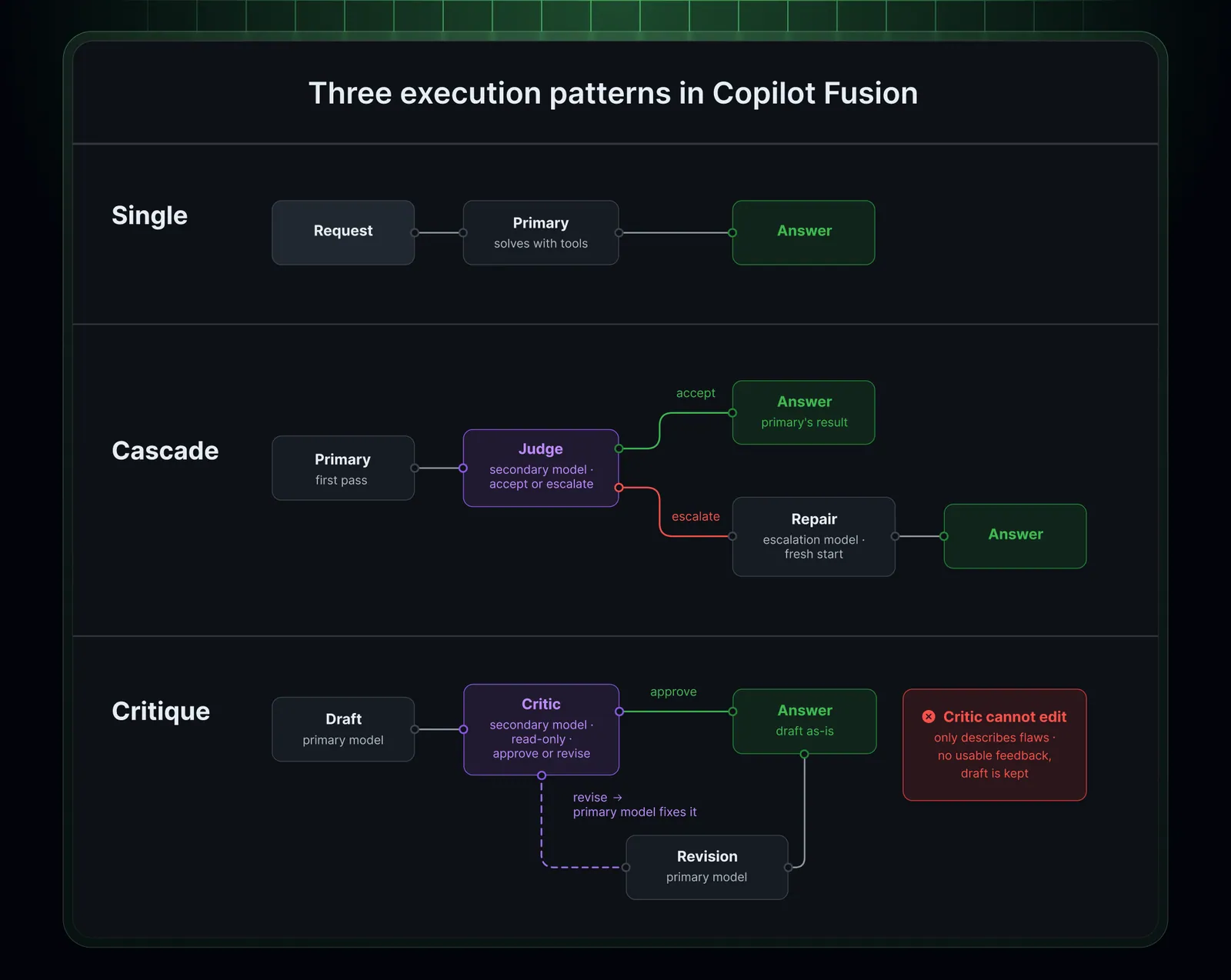
Fusion has three patterns. Single uses one model. Cascade lets a primary model answer, has a second model judge the answer, and escalates to a stronger model only when the judge rejects it. Critique has a second model review the draft without editing it, and sends it back for revision if needed.
It is available on all Copilot plans in VS Code, the Copilot app, the CLI and JetBrains, with Standard, High and Max effort levels. You pay each model's normal rate; paid plans get 30% off while Fusion is new. GitHub reports that Fusion Max came within two points of Claude Code with Opus 5.5 on a public coding index at about half the cost per task; that is GitHub's own claim.
Cascade: escalate only when a judge rejects the first answer
Critique: a read-only reviewer, then one revision
Experimental: route between a local model and cloud models
Technical details
The local-model preview works in the Copilot CLI, app and VS Code. Managed setup is Windows only (MAI Code 1.1 Flash); on Windows, macOS and Linux the CLI can route to a model you serve yourself behind an OpenAI-compatible server. Routing decisions still happen in the cloud, so it does not work offline.
Why it mattersMost agent prompts do not need the most expensive model. A cheap draft with a check catches the hard cases while paying less for the easy ones, and you can build the same pattern yourself.
For youCopy the cascade idea into routines: run a cheaper model first and have a check decide when Opus is worth it.
escalate
Hand the task to a stronger, more expensive model because the first answer was not good enough.
local model
An AI model that runs on your own computer instead of a provider's servers.
GitHub Agentic Workflows: automation written in plain Markdown
GitHub made its agent workflows generally available: you describe a repeated repository chore in a Markdown file, and a tool turns it into a locked-down automation that an AI agent runs on GitHub's servers.
The example from the docs: a daily summary of new issues. Save it as .github/workflows/daily-issue-summary.md, then run gh aw compile.
---
on: daily
safe-outputs:
  create-issue:
---
Summarise yesterday's issues. Flag
anything that needs a reply.
The top block says when it runs and the only thing it may produce (here, one new issue). The text below is the instruction for the agent.
They compile to ordinary GitHub Actions files. Workflows start read-only, run in a sandbox behind a firewall, and a separate job checks proposed changes before they apply. gh aw forecast estimates the AI credits a workflow will use.
The default agent is the Copilot CLI and needs a Copilot license; you can bring another coding agent and choose the model per workflow.
Why it mattersTriage, failure summaries and docs updates are chores every repository has. Writing them as a short instruction with a narrow permission list is quicker than scripting them, and safer than giving an agent the keys.
For youA candidate home for the daily triage chores on the plugin repos; compare its cost forecast with running the same job as a Claude Code routine.
GitHub Actions
GitHub's service that runs scripts automatically when something happens in a repository, such as a push or a new issue.
safe-outputs
The list of actions a workflow may take, so the agent cannot do anything else.
Agents that watch a pull request and fix what blocks it, automations with spending caps, memory that follows you between GitHub's tools, and pinned versions for workflow dependencies.
Memory of your preferences is out for paid plans. Dreaming, in preview, reviews past work and opens pull requests to update skills and instruction files.
gh actions-lock pins every action and its dependencies to exact commits in .github/workflows/actions.lock; Dependabot updates it with each bump.
Why it mattersAgents fixing their own blocked pull requests, and a learning loop that rewrites instruction files, are now product features rather than custom setups. The lockfile closes a common supply-chain hole in CI.
For youDreaming is the vendor version of a notebook that rewrites its own rules; compare its proposals with the routine's notebook. Add the Actions lockfile to the plugin repos.
MCP
Model Context Protocol: a standard way to plug tools and data sources into an AI agent.
auto-merge
A setting that merges a pull request by itself once its checks and reviews pass.
Agents now open four in ten pull requests on GitHub
GitHub's yearly report says AI agents started more than 40% of pull requests in September, up from 17% in March, and TypeScript is the most used language.
40%+of pull requests started by an agent in September
90%of agent-involved pull requests merged within two weeks
Agent-started pull requests reached 110 million in September, about six times March. Repositories with an agent configuration file logged eight times the commits of new ones without. TypeScript was the main language in 35% of repositories with an agent signal, against 24% elsewhere.
Why it mattersThe volume of proposed changes is growing faster than people can review them, and typed languages are where agents are used most.
pull request
A proposed change to a codebase, sent for review before it is merged.
Long-running services beside your database, in private alpha.
Supabase, a popular hosted Postgres database with extras, is testing a way to run your own Node, Deno or container services, such as agents, inside the same project as your data.
You turn it on in the project's config, then create and push a service with the CLI. It is for evaluation only: services can restart at any time, so work must be saved to Postgres, and every service sees all of the project's secrets.
Sizes
1 vCPU, 2 GB or 2 vCPU, 4 GB
Region
us-west-2 only
Access
Waitlist
Not yet
Autoscaling, GPUs, disks, agent sandboxes
Try itsupabase compute new
Technical details
Setup: set compute = true under [experimental] in supabase/config.toml with CLI 2.120.0 or later, then supabase compute new and supabase compute push. The same week Supabase opened OrioleDB, a Postgres storage engine for update-heavy tables, as a public beta; its vendor benchmark shows up to about 1.8 times the throughput when data does not fit in memory.
Why it mattersAgents need somewhere to run that is close to the data they work on. Having it inside the database project removes a server to manage, though the alpha's limits rule out production use.
For youJoin the waitlist for the SaaS backends; the shared-secrets rule means keeping agent services in a separate project for now.
Postgres
A widely used open-source database.
container
A packaged program with everything it needs to run, so it behaves the same on any server.
A hidden line item in the bill, and the judgment calls agents still get wrong.
Software and AI Do this
A status line that costs more than the chat
One developer measured that Claude Code's short status lines for background agents used more of their estimated spend than the main conversation did.
16.4%of estimated spend on agent status summaries
1 in 5API requests were summaries
The summarizer resends each background agent's transcript about every 30 seconds to write a three to five word status. These are one team's numbers from Claude Code's own cost estimates; there is no official setting to turn it off.
Technical details
Measured by grouping the claude_code.api_request OpenTelemetry event by its query_source attribute, where the summarizer shows as agent_summary. Tested on versions 2.1.257 to 2.1.312 on Linux; 96% of the summary spend ran on Opus. The author's workaround is an unofficial preload script that can silently stop working after an update.
Why it mattersIf you run many background agents, part of your bill or rate limit pays for a status label. Measure it before you trust any fix.
For youThe routines lean on background subagents; measure the summary share this week (see Try this).
background agent
A helper agent that works on a task while you keep using the main session.
A new test gives AI agents 50 real tax assignments, with the messy folders of documents a tax professional gets. The best model fully passed about one in ten.
Share of 50 tax assignments passed on the first try, where passing means meeting 95% of an expert grading rubric. Surge AI's Dayjob: Tax leaderboard.
Claude Sonnet 5.510.8 %
Claude Fable 5.19.6 %
Claude Opus 5.59.2 %
Muse Wonder 1.06 %
Grok 4.75 %
GPT-6 Astra4.8 %
GPT-6.1 Sol4 %
Gemini 4 Argon3.2 %
Each assignment comes with a median of 30 files: PDFs, spreadsheets, emails and images. The failures were mostly about noticing: one model never flagged a sale deadline in five tries, another assumed the clients were unmarried in all five.
Why it mattersLong jobs that need judgment, not coding skill, are where agents still fail. The misses are about spotting a missing fact or a wrong assumption, which no amount of tool access fixes.
rubric
A checklist an expert uses to grade the work, point by point.
A model cascade sends each request to a cheap AI model first and passes it to a stronger, more expensive model only when a check says the first answer is not good enough.
Think of it like thisA help desk: the front-line agent answers most calls, and only the hard ones get passed to the specialist.
Most requests are easy, so a smaller model handles them well. A check, which can be another model acting as a judge, a test suite or a simple rule, decides whether to accept the answer. Only rejected answers go to the strong model, so you pay its price only on the hard cases.
The trade-off is the quality of the check. A lax judge lets bad answers through; a strict one escalates everything and saves nothing. GitHub's Copilot Fusion now offers a cascade as a product setting, and the same pattern works in any agent pipeline where you can test the result.
RequestA prompt or a task
first try
Cheap modelMakes the first attempt
judge
CheckA judge model, tests or a rule
escalate
Strong modelOnly if the check rejects it
Accepted answers stop at the check; you pay for the strong model only on the hard cases.
judge
A model asked only to grade another model's answer, not to write one.
Try this today
Software and AIhalf an hourFor practitioners
See what share of your Claude Code spend goes to each subsystem
In half an hour you learn how much of your agent spend goes to background work such as status summaries and compaction, instead of the work you asked for.
You needClaude Code, and a task that starts at least one background agent.
Turn on telemetry
In a scratch terminal, set the variables below so Claude Code exports its events. Use otlp instead of console if you already run an OpenTelemetry collector.
Run a normal task
Start a session and give it a task that launches a background agent, the kind of work you do every day. Let it run a few minutes.
Find the request events
Collect the claude_code.api_request events. Each one has a query_source (which part of Claude Code made the call), a model and an estimated cost_usd.
Add up by source
Sum cost_usd and count requests per query_source. Compare agent_summary with your main thread and with subagents.
export CLAUDE_CODE_ENABLE_TELEMETRY=1
export OTEL_LOGS_EXPORTER=console
export OTEL_LOGS_EXPORT_INTERVAL=5000
claude
You know it worked whenYou get a table of spend by source. If agent_summary is a large share, as the 16.4% one team measured, you have a number to weigh against fewer background agents or a workaround.
For youRun it during a morning routine run with its desks, where background agents are the bulk of the work.
OpenTelemetry
A standard format for programs to report what they are doing, such as requests and their cost, to monitoring tools.
compaction
When an agent summarizes its own conversation to free room in its working memory.
Sparks
What is catching on right now, and the idea worth borrowing from each.
241 points and 54 comments on Hacker News; the author reports about 230,000 CPU steps checked against a reference machine with no mismatches
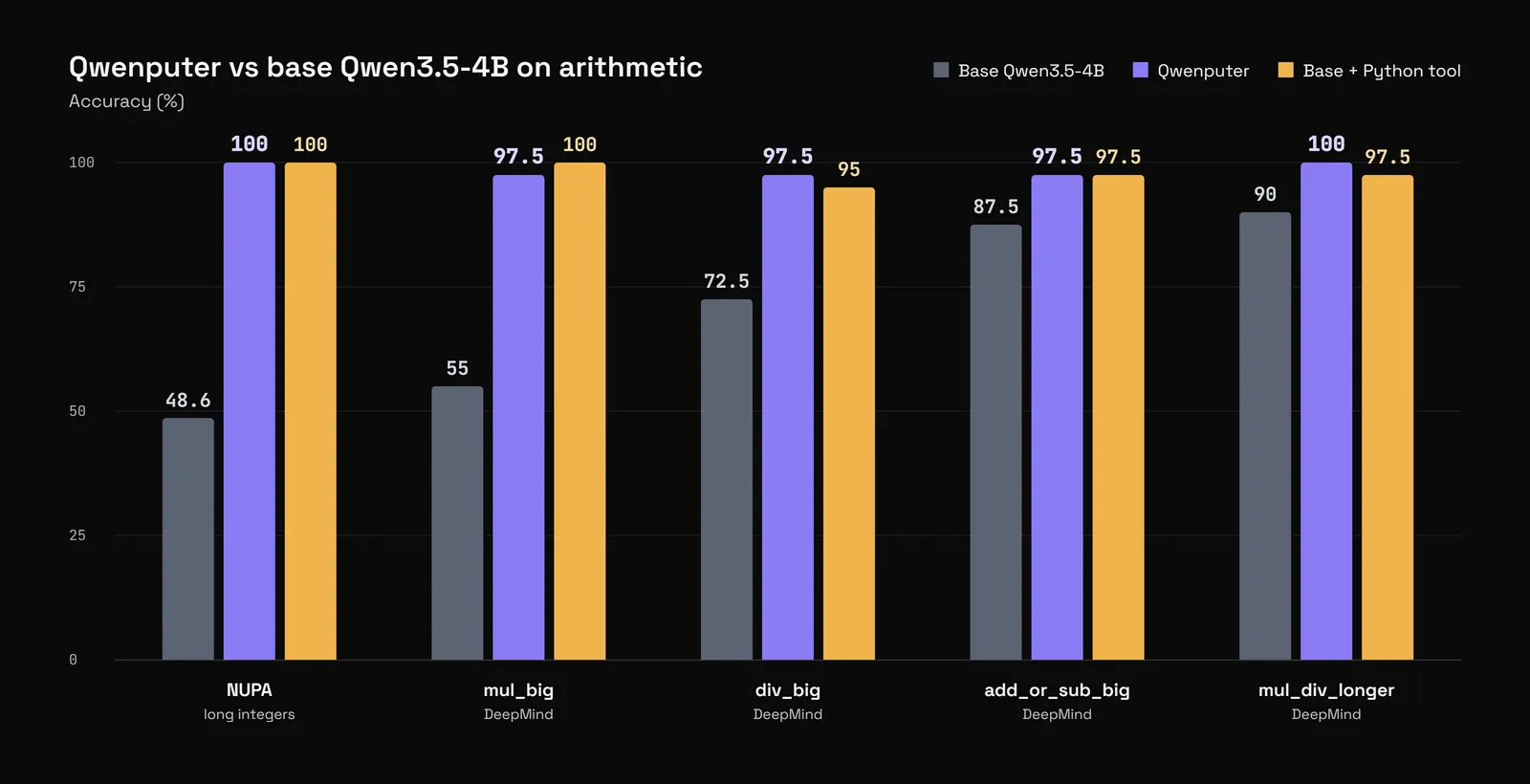
No training: a 32-bit RISC-V processor is written directly into 11 layers of a small Qwen model, which calls it like a tool and runs C and MicroPython inside its own forward pass. Long-number arithmetic goes from 48.6% right to 100%.
Borrow thisThe absurd-payoff build: if a model can host an exact CPU, a rules engine or game VM could live inside one too. The cost is real (an 18.8 GB checkpoint, twice the base model, and a custom driver), so treat it as a demo, not a tool.
For youA fun reference for deterministic logic inside a model; not something to build on yet.
4.7 out of 5 from 29 ratings, in itch.io's new and popular list two days after release; made in about a week
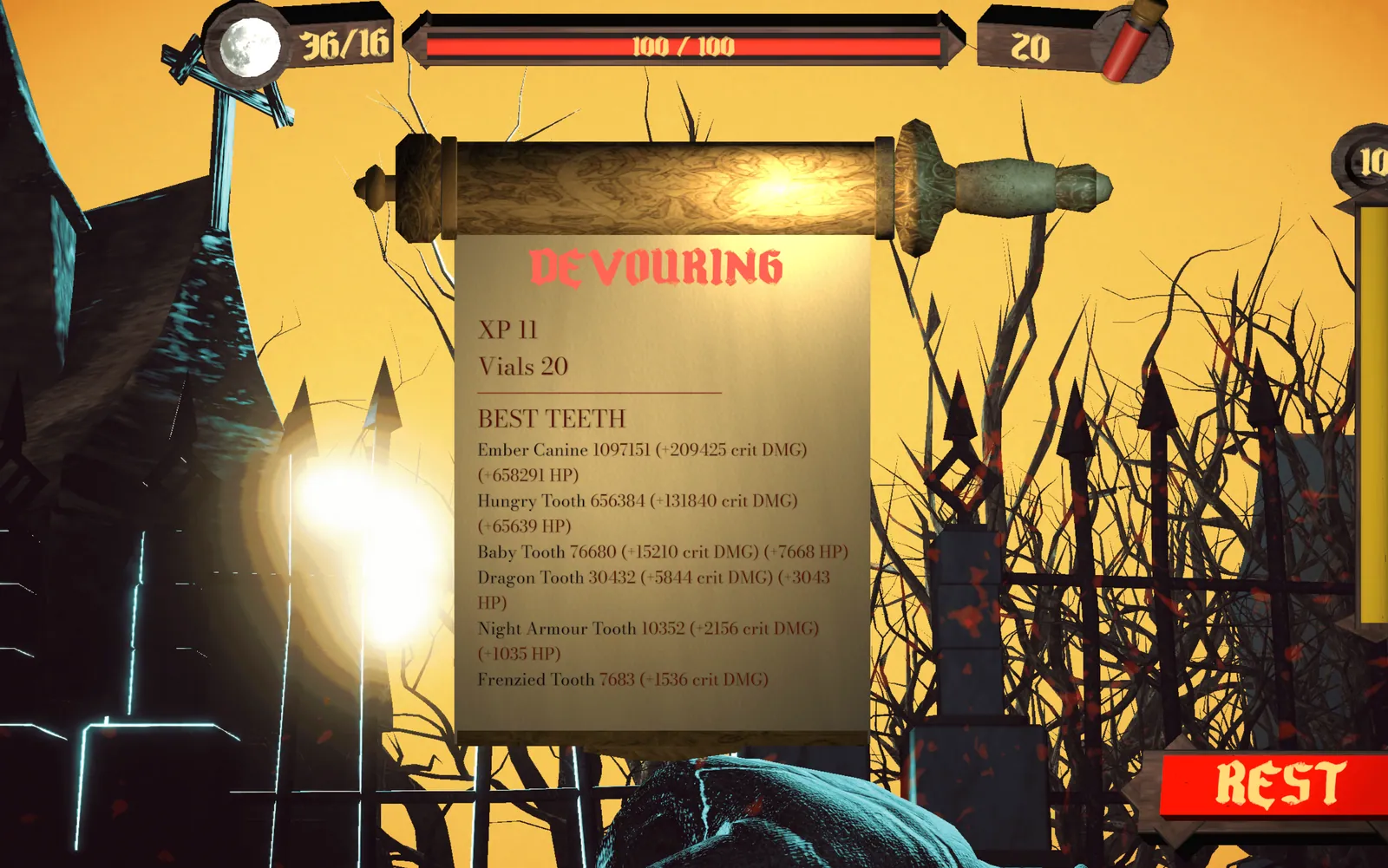
A toothless vampire collects teeth, and each tooth is an item with its own damage and health bonus, so your mouth is your inventory.
Borrow thisTie the inventory to the body of the character. One odd, physical rule makes a crowded genre easy to pitch in a sentence and gives a seasonal hook for free.
For youThe body-as-inventory idea could theme a loot or socket system in an inventory plugin demo.
4.8 out of 5 from 265 ratings; back in itch.io's new and popular list after an update five days ago
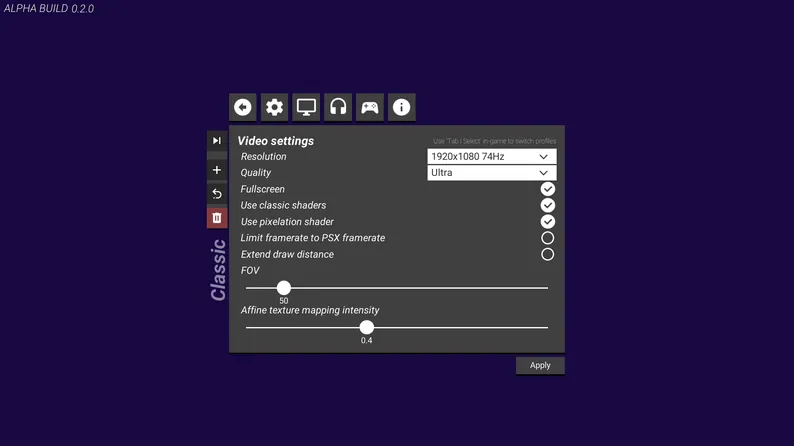
A fan remake of the 1998 PlayStation dream-walking game LSD: Dream Emulator, where you wander, get teleported and never get a goal. Its video settings let players dial the retro look up or down.
Borrow thisExpose the retro effects as sliders: pixelation, the PS1 frame rate cap and the wobbly affine texture mapping are each a toggle, so players pick between authentic and clean.
For youRetro-look toggles are a cheap selling point for a stylized render feature or a browser game's settings menu.
Research from the front line, in plain words: what it solves, how, and what you could do with it.
Software and AIPreprintarXiv preprint
A plain coding agent beats purpose-built outage detectives
Free to Look, Free to Reason: Simple LLM Harnesses Outdiagnose Hand-Crafted Root Cause Analysis AgentsTingzhu Bi, Xun Zhang, Ping Wang, et al. (Peking University; Beijing University of Posts and Telecommunications)
The problem
Published AI agents that find the cause of a service outage use elaborate, hand-built pipelines and tools. Nobody had checked whether that scaffolding beats a general agent simply given the data.
The idea
Compare three minimal setups with five published diagnosis agents on 90 checked incidents from 8 public microservice datasets. The simplest strong one drops Codex CLI into the incident folder with six rules: read only this folder, no network, do not change data, one hour at most. It writes its own shell and Python.
The result
Simple setups named the right root cause first 65% to 77% of the time on mid-tier models; the published agents managed 16% to 53%, non-AI methods 6% to 39%. Codex reached 77.2% against 53.3% for the best published agent. A cheap model with Codex got 68.9% for under one cent per case.
Use it
For an incident, export the logs, metrics and traces into a folder, give a general coding agent read-only access with a time limit, and ask for the five likeliest culprits with evidence. Skip building a custom diagnosis bot.
For youTry it on the next SaaS incident: dump Supabase and Vercel logs into a folder and let Claude Code rank the causes, read only.
Fancy agent memory systems lose to plain search over old chats
Memory Tax: Dissecting the Net Value of Agent MemoryXuan He, Sining Zhoubian, Ruozhen Yang, et al. (UIUC, Tsinghua, Renmin University, Verdent.ai, Waterloo)
Agent memory layers summarize and restructure past sessions, and are assumed to beat simply searching the raw history. Few tests compare them with a well-tuned plain search.
The idea
Count what memory fixes that plain search missed, minus what memory breaks that plain search got right: the memory tax. Then trace where the tax comes from: facts lost when memory is written, facts that are hard to reach, and drift from the original wording.
The result
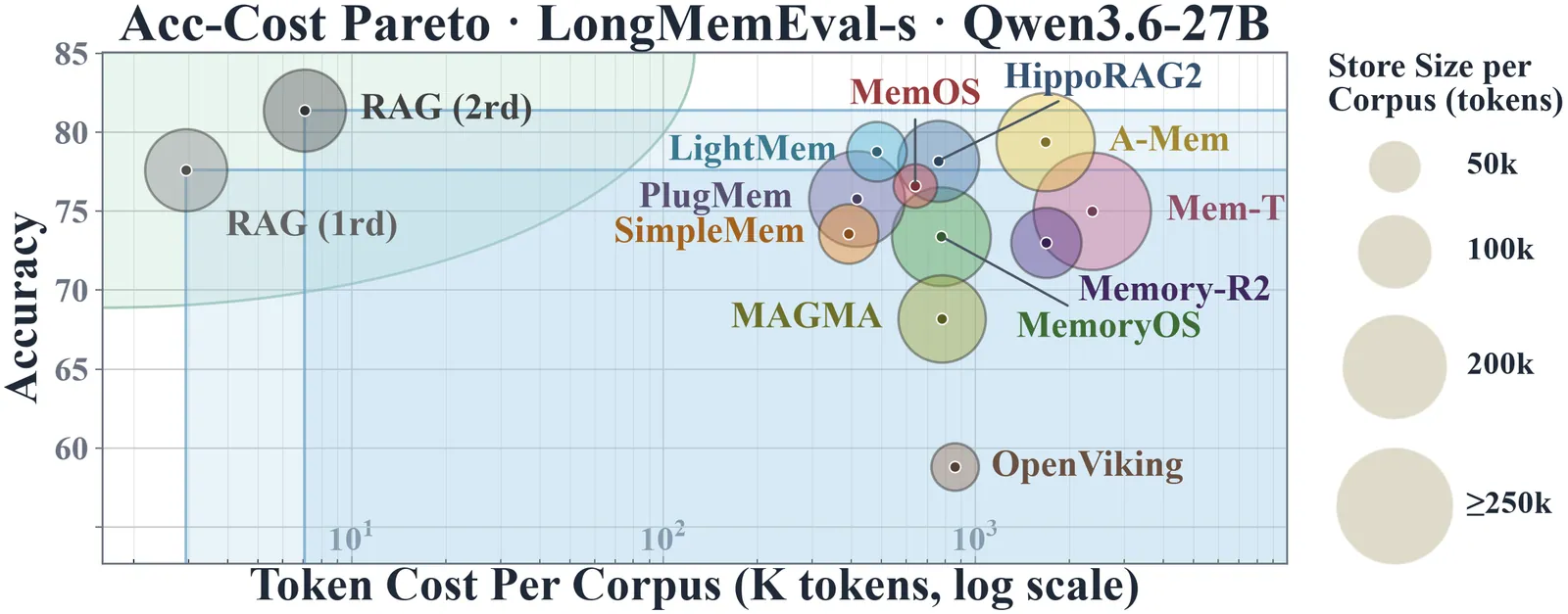
Eleven memory systems on the LongMemEval benchmark with three models: every one scored below plain retrieval. With Qwen3.6-27B, retrieval scored 81.4 and memory systems ran about 2 to 40 points lower. One system had no memory entry at all for 38% of sampled facts.
Use it
Before adopting a memory layer for an agent, test it against plain search over the raw transcripts or notes, and keep a path back to the raw history. The systems tested were chat memory, not code-repository memory.
For youCheck whether the routine's notebook and memory files beat a plain grep over past runs before adding more memory machinery.
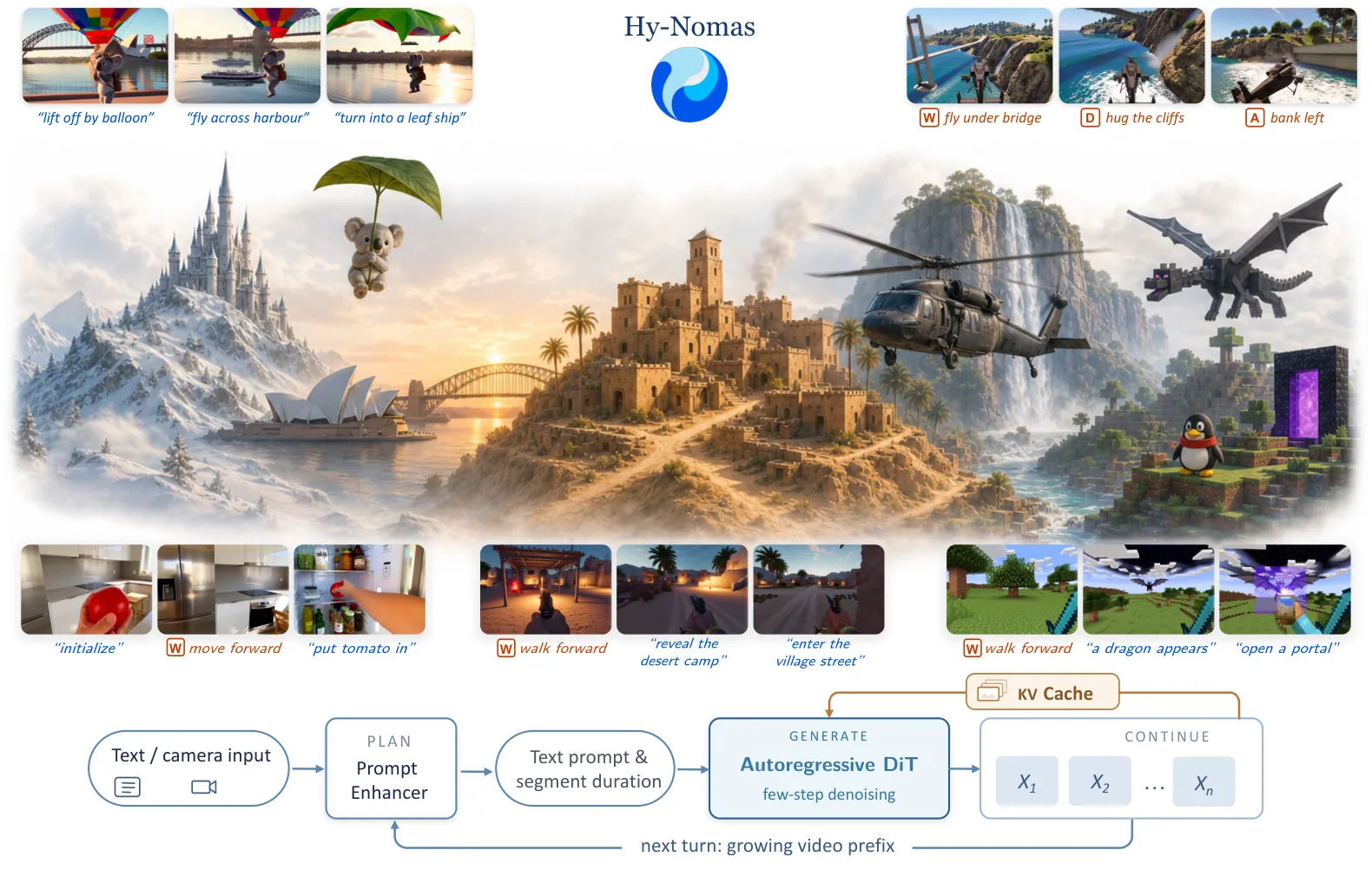
Interactive world models, which generate video you can move through, are mostly closed or need large GPU clusters, and usually accept only a fixed set of moves.
The idea
An 8-billion-parameter video model generates the world in segments. Each turn takes free text ("open a portal"), camera moves and the history so far; scene descriptions persist while action text applies only to its own segment. A helper model rewrites requests into structured prompts.
The result
With 8-bit weights and offloading it fits one RTX 4090: 20.53 GB peak memory for a 100-second video at 1280 by 704 and 24 frames a second (authors' figures). The authors report people preferred it over Genie 3 and two other systems on their 280-case benchmark. Weights and code are released.
Use it
A prototyping tool, not a runtime: generate fly-throughs and concept footage of a level from text, and adapt it to a game's art style with about 100 sample clips.
For youWorth a local test on a 4090 to make mood footage for the action RPG's areas before blocking them out.